.png?width=596&height=169&name=Facebook-Post-Design-(29).png)
.jpg)
What Counts as Fire and Smoke Damage to Your Property
A fire loss is rarely just the burned structure. Coverage typically extends to several categories of damage:
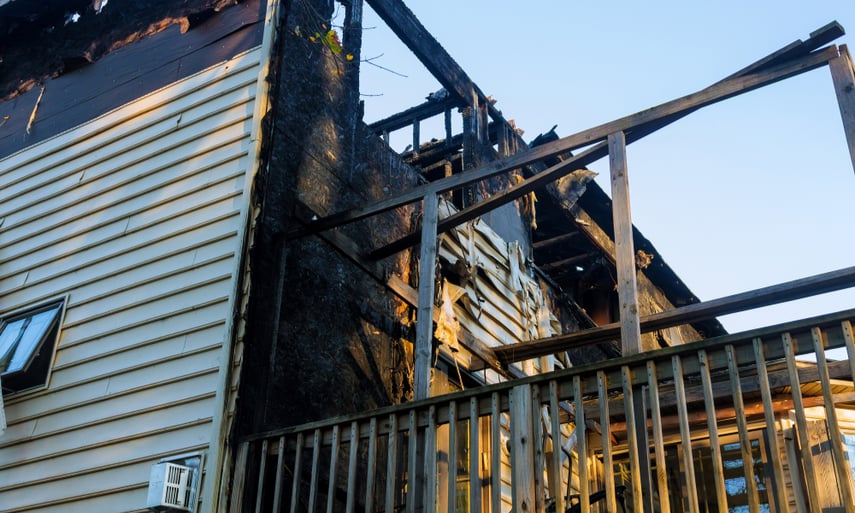
- Structural and flame damage: the direct burning of walls, framing, roofing, and other integral parts of the building.
- Smoke and soot damage: residue, staining, and odor that can penetrate HVAC systems, walls, furniture, and electronics, even in rooms the fire never reached.
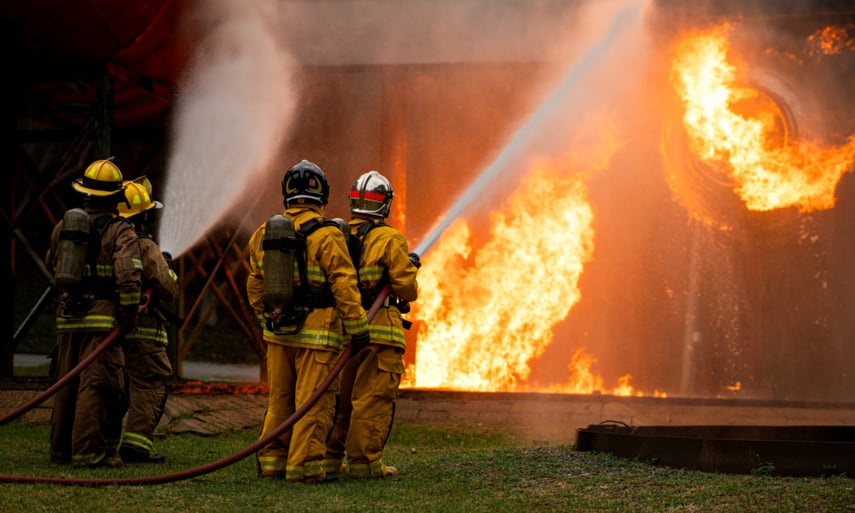
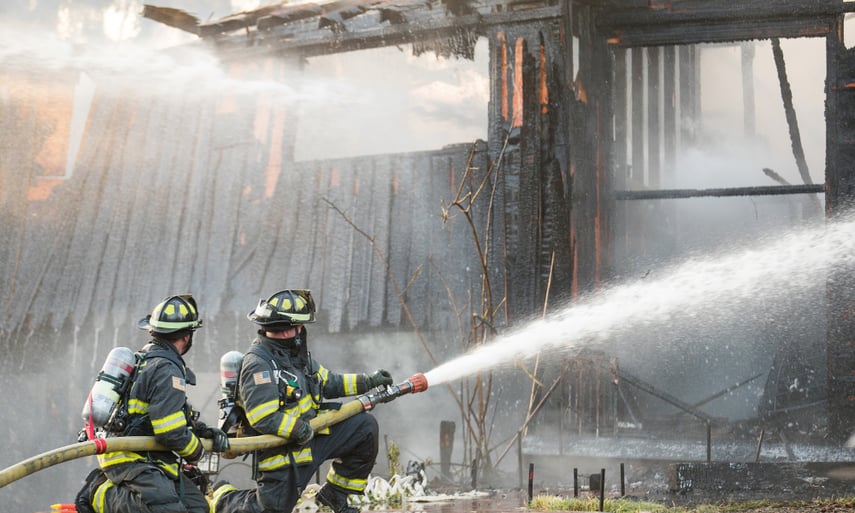
- Water and suppression damage: damage caused by sprinklers or firefighting efforts, which often affects more of a property than the fire itself.
- Personal belongings and contents: furniture, electronics, clothing, and other damaged or destroyed possessions.
- Additional living expenses (ALE): Depending on the policy, coverage may reimburse certain additional costs incurred because a covered loss makes the home temporarily uninhabitable, such as hotel or temporary rental expenses and increased meal costs. ALE generally does not reimburse ordinary living expenses you would have incurred regardless of the loss.
Commercial policies may also provide coverage for damaged inventory and certain business income or interruption losses, depending on the policy. A property damage lawyer who understands both the residential and commercial side of a claim can spot value in categories an initial adjuster overlooks.